

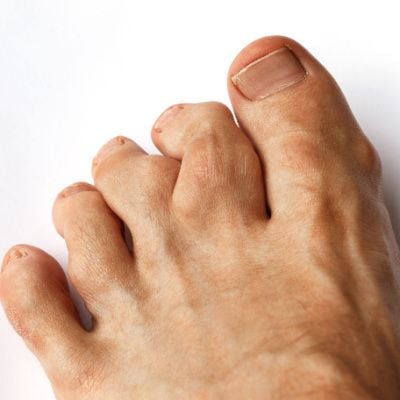
 Ollier's Disease, a rare skeletal disorder characterized by the development of benign cartilage tumors within the bones, remains a subject of intrigue in the realm of orthopedics. In this article, we embark on a detailed journey to understand the intricacies of Ollier's Disease, exploring its etiology, clinical manifestations, diagnostic approaches, and available management strategies.
The Enigma of Ollier's Disease
This section provides a foundational understanding of Ollier's Disease. Named after the French surgeon Louis Ollier, who first documented the condition in the 19th century, the disease primarily manifests as multiple enchondromas – non-cancerous cartilage growths – within the bones.
Etiology and Pathogenesis
Delving into the underlying causes of Ollier's Disease, this section explores the genetic mutations and chromosomal alterations believed to contribute to its development. While the exact etiology remains elusive, recent research has shed light on the intricate interplay of genetic factors.
Recognizing the Signs of Ollier's Disease
This section navigates through the clinical manifestations of Ollier's Disease. Patients often present with asymmetrical limb deformities, bony overgrowth, and a higher susceptibility to fractures due to weakened bones. Recognizing these signs is crucial for early intervention and effective management.
Tools and Techniques in Identifying Ollier's Disease
Examining the diagnostic landscape, this section outlines healthcare professionals' methods to confirm Ollier's Disease. A multidisciplinary approach ensures accurate and timely diagnosis, from imaging studies like X-rays and MRI scans to genetic testing.
Differential Diagnosis
This section highlights the importance of distinguishing Ollier's Disease from other musculoskeletal disorders and provides insights into the differential diagnostic process. Conditions like Maffucci's Syndrome may present similar features, requiring meticulous evaluation.
Prognosis and Complications
This section discusses the potential challenges individuals with Ollier's Disease may face. While the condition itself is non-cancerous, complications such as bone deformities and fractures can significantly impact the quality of life. Proactive management is essential to mitigate these challenges.
Treatment Modalities
Exploring the spectrum of treatment options available, this section details the management approaches for Ollier's Disease. While mild cases may only require observation, more severe instances might necessitate surgical interventions, such as corrective osteotomies.
Conclusion
In conclusion, Ollier's Disease, though rare, warrants a comprehensive understanding to facilitate early diagnosis and optimal management. By unraveling its complexities, recognizing clinical manifestations, and exploring available treatment avenues, healthcare professionals and individuals affected by Ollier's Disease can navigate this unique orthopedic challenge with greater awareness and resilience. Ongoing research and collaboration within the medical community promise continued advancements in managing this intriguing skeletal disorder.

Disclaimer:
The information on this website is provided for educational and information purposes only and is not medical advice. Always consult with a licensed medical provider and follow their recommendations regardless of what you read on this website. If you think you are having a medical emergency, dial 911 or go to the nearest emergency room. Links to other third-party websites are provided for your convenience only. If you decide to access any of the third-party websites, you do so entirely at your own risk and subject to the terms of use for those websites. Neither Evanston Foot and Ankle Clinic, nor any contributor to this website, makes any representation, express or implied, regarding the information provided on this website or any information you may access on a third-party website using a link. Use of this website does not establish a doctor-patient relationship. If you would like to request an appointment with a health care provider, please call our office at (847) 864-5010.