

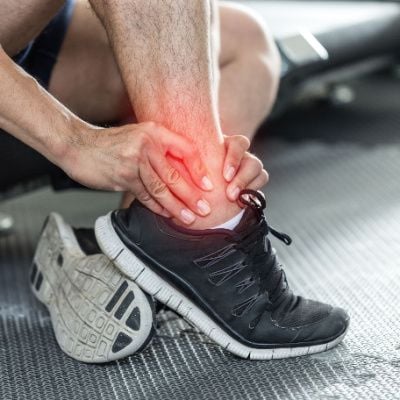
 Osteochondritis, often abbreviated as OC, refers to a condition where a segment of bone and its adjacent cartilage loses blood supply, leading to localized damage. This condition primarily affects the joints, particularly those in the knees, ankles, and elbows. While the exact cause of osteochondritis remains multifactorial, its impact on joint health and mobility is significant.
Forms of Osteochondritis: Navigating Varieties
Osteochondritis manifests in various forms, each with distinct characteristics and joint affections. Common types include osteochondritis dissecans (OCD), aseptic necrosis, and juvenile osteochondritis. Understanding these different forms is crucial for accurate diagnosis and targeted treatment strategies.
Causes and Risk Factors
The origins of osteochondritis are diverse, often involving a combination of genetic predisposition, joint instability, repetitive trauma, and vascular insufficiency. While some instances may be idiopathic, others can be linked to specific factors such as excessive stress on the joint, joint dislocation, or underlying metabolic disorders.
Symptoms and Diagnostic Approaches
Detecting osteochondritis necessitates a keen awareness of its symptoms. These may include joint pain, swelling, stiffness, and, in advanced cases, joint locking. Diagnostic tools such as X-rays, MRI scans, and arthroscopy play a pivotal role in confirming the presence of osteochondritis, allowing healthcare professionals to formulate an appropriate treatment plan.
Treatment Modalities
The management of osteochondritis is multifaceted, tailored to the severity of the condition and its specific manifestation. Non-surgical approaches, including rest, physical therapy, and anti-inflammatory medications, may suffice for milder cases. Conversely, advanced stages may require surgical interventions such as arthroscopy, drilling, or joint replacement.
Prevention Strategies
While osteochondritis may not always be preventable, adopting specific lifestyle measures can contribute to joint health. Maintaining a balanced diet rich in nutrients that support bone health, avoiding excessive joint stress, and engaging in regular, low-impact exercise are integral components of a preventive strategy.
Research and Innovations
Ongoing research in orthopedics continues to shed light on osteochondritis, leading to innovative treatment modalities and preventive strategies. From regenerative medicine approaches to advancements in surgical techniques, the future holds promise for individuals grappling with this challenging joint condition.
Conclusion
In conclusion, osteochondritis is a complex yet manageable orthopedic condition, demanding a nuanced understanding of its various forms, causes, and treatment avenues. By recognizing the symptoms early, seeking prompt medical attention, and embracing a holistic approach to joint health, individuals can navigate the landscape of osteochondritis with informed choices and a commitment to enhanced well-being. As research unravels the mysteries of joint health, those affected by osteochondritis can look forward to a future where innovative solutions pave the way for improved outcomes and a higher quality of life.
Disclaimer:
The information on this website is provided for educational and information purposes only and is not medical advice. Always consult with a licensed medical provider and follow their recommendations regardless of what you read on this website. If you think you are having a medical emergency, dial 911 or go to the nearest emergency room. Links to other third-party websites are provided for your convenience only. If you decide to access any of the third-party websites, you do so entirely at your own risk and subject to the terms of use for those websites. Neither Evanston Foot and Ankle Clinic, nor any contributor to this website, makes any representation, express or implied, regarding the information provided on this website or any information you may access on a third-party website using a link. Use of this website does not establish a doctor-patient relationship. If you would like to request an appointment with a health care provider, please call our office at (847) 864-5010.