

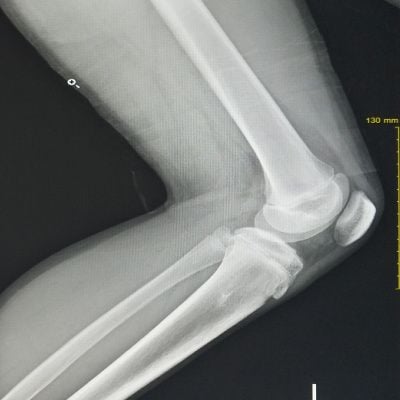
 Though often benign, osteochondromas are unique bony growths that can pose challenges for those affected. This article delves into the intricacies of osteochondromas, exploring their definition, causes, symptoms, diagnostic methods, and potential treatment options. By shedding light on these aspects, we aim to provide a comprehensive understanding of osteochondromas for individuals seeking information about this condition.
Understanding Osteochondromas
Osteochondromas are the most common non-cancerous bone tumors. They typically develop during childhood or adolescence and manifest as bony projections covered by cartilage. These growths, known as exostoses, most commonly occur near the ends of long bones, such as the femur or tibia. While often benign, their presence can lead to complications, especially if they affect nearby nerves or blood vessels.
Causes and Risk Factors
The precise cause of osteochondromas remains under investigation, but genetic factors play a significant role. Hereditary multiple exostoses (HME) is a condition in which individuals inherit a tendency to develop various osteochondromas. Sporadic cases can also occur without a family history. Trauma or injury to the growth plate during skeletal development is another potential factor in their formation.
Symptoms
Osteochondromas may often be asymptomatic, causing no noticeable signs or discomfort. However, when symptoms arise, they often result from the growths impinging on neighboring structures. Common symptoms include pain, swelling, and limitations in joint motion. More severe complications, such as nerve compression or vascular compromise, can occur, requiring prompt medical attention.
Diagnostic Approaches
Accurate diagnosis is crucial for determining the nature and extent of osteochondromas. Imaging studies, including X-rays, CT scans, and MRI scans, play a central role in visualizing these bony growths. The information gathered from these diagnostic tools helps healthcare professionals assess osteochondromas' size, location, and potential impact on surrounding tissues.
Treatment Options
The management of osteochondromas varies based on size, location, and symptoms. A watchful waiting approach may be adopted in many cases, especially if the growths are small and asymptomatic. Regular monitoring through imaging studies ensures any changes can be promptly addressed. Surgical intervention becomes necessary when osteochondromas cause pain, impede joint movement, or pose risks of complications.
Surgical Procedures
Surgical removal of osteochondromas, known as excision, is a common and practical approach. This procedure aims to eliminate the bony growth while preserving surrounding structures and joint function. The decision to undergo surgery is typically based on the severity of symptoms, potential complications, and the impact on an individual's quality of life.
Complications and Long-Term Outlook
While most osteochondromas do not lead to severe complications, risks are associated with these benign growths. Compression of nerves or blood vessels can result in pain, numbness, or circulation issues. Regular follow-ups with healthcare providers are essential to monitor any changes and address emerging concerns promptly.
Research and Future Perspectives
Ongoing research continues to enhance our understanding of osteochondromas. From identifying genetic markers to exploring targeted therapies, the scientific community is dedicated to unraveling the complexities of this condition. Staying informed about these advancements is crucial for individuals affected by osteochondromas and their healthcare providers.
Conclusion
In conclusion, osteochondromas, while often benign, require attention and understanding. From their origins and potential causes to symptoms, diagnostic approaches, and treatment options, this article aims to empower individuals with the knowledge needed to navigate the complexities of osteochondromas. By fostering awareness and providing insights into the latest developments in research and treatment, we hope to contribute to a better-informed community and improved outcomes for those affected by osteochondromas.
Disclaimer:
The information on this website is provided for educational and information purposes only and is not medical advice. Always consult with a licensed medical provider and follow their recommendations regardless of what you read on this website. If you think you are having a medical emergency, dial 911 or go to the nearest emergency room. Links to other third-party websites are provided for your convenience only. If you decide to access any of the third-party websites, you do so entirely at your own risk and subject to the terms of use for those websites. Neither Evanston Foot and Ankle Clinic, nor any contributor to this website, makes any representation, express or implied, regarding the information provided on this website or any information you may access on a third-party website using a link. Use of this website does not establish a doctor-patient relationship. If you would like to request an appointment with a health care provider, please call our office at (847) 864-5010.