

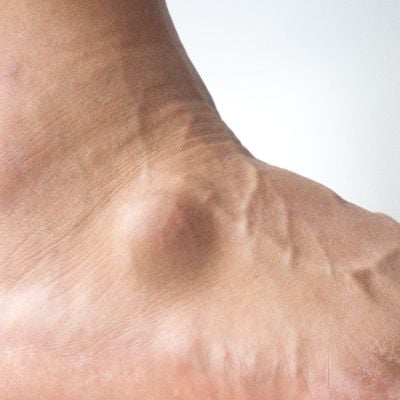
 Foot lumps, though often a cause for concern, are not uncommon and can stem from various underlying conditions. This comprehensive guide aims to shed light on the complexities of foot lumps, explore their diverse causes and the different types that can manifest, and outline potential treatment options, whether they are benign cysts or more severe conditions. Understanding foot lumps is the first step towards seeking appropriate care and maintaining optimal foot health.
Anatomical Overview
The Intricate Anatomy of the Foot: The human foot is a marvel of biomechanical engineering, composed of numerous bones, joints, ligaments, and tendons. This section briefly overviews the foot's intricate anatomy, setting the stage for understanding how and why foot lumps may develop.
The Role of Soft Tissues: Soft tissues, including muscles, fat pads, and skin, contribute to the foot's complex structure. We delve into the significance of these soft tissues and their role in the formation of lumps, whether due to injury, inflammation, or other factors.
Common Causes of Foot Lumps
Trauma and Injury: Trauma, such as stubbing a toe or dropping a heavy object on the foot, can develop lumps. This section explores how trauma triggers the body's natural healing response, sometimes forming scar tissue or fluid-filled sacs.
Inflammatory Conditions: Inflammation is common in various foot conditions. We discuss inflammatory causes of foot lumps, including bursitis and tendonitis, elucidating how inflammation can manifest as localized swelling and palpable lumps.
Benign Growth and Cysts: Many foot lumps are benign growths or cysts. We explore conditions such as ganglion cysts and lipomas, detailing their characteristics, formation, and the typical symptoms associated with these non-cancerous growths.
Types of Foot Lumps
Ganglion Cysts: Ganglion cysts, often found on the top of the foot or around the ankle, are fluid-filled sacs connected to joints or tendons. This subsection delves into the characteristics, potential causes, and treatment options for ganglion cysts.
Lipomas: Lipomas, benign fatty tumors, can also occur in the foot. We explore how these slow-growing lumps form, their typical appearance, and considerations for those experiencing these soft, mobile masses.
Plantar Fibromas: Plantar fibromas are fibrous nodules that develop in the foot's arch. This section outlines the distinctive features of plantar fibromas, their potential impact on foot function, and approaches to managing these firm, sometimes painful lumps.
When to Seek Medical Attention
Persistent Pain and Discomfort: While many foot lumps are harmless, persistent pain or discomfort is a red flag. This subsection discusses when individuals should seek medical attention, emphasizing the importance of professional evaluation for ongoing or worsening symptoms.
Changes in Appearance: Changes in the appearance of a foot lump, such as sudden growth or alterations in color, warrant investigation. We explore how monitoring these changes and promptly consulting a healthcare professional can contribute to timely diagnosis and intervention.
Diagnosing Foot Lumps
Clinical Examination: A thorough examination is the starting point for diagnosing foot lumps. We outline what individuals can expect during a medical evaluation, including a physical exam, discussion of symptoms, and medical history review.
Imaging Studies: In cases where the cause of a foot lump is not immediately apparent, imaging studies become invaluable. This section explores the role of X-rays, ultrasound, and MRI scans in providing detailed insights into the internal structures of the foot.
Treatment Approaches
Conservative Measures: Many foot lumps respond well to conservative measures. We discuss strategies such as rest, ice, compression, and elevation (RICE), along with the use of orthotic devices or changes in footwear to alleviate symptoms and promote healing.
Aspiration and Injection: For fluid-filled cysts, aspiration – removing fluid with a needle – can be diagnostic and therapeutic. We delve into the procedure, its potential benefits, and considerations for individuals considering this option.
Surgical Intervention: In cases where a lump persists or causes significant discomfort, surgical intervention may be recommended. This subsection explores common surgical procedures for addressing foot lumps, including excision, and discusses the potential risks and benefits.
Preventive Measures
Footwear Considerations: Choosing appropriate footwear prevents foot issues, including lumps. We provide practical tips on selecting shoes that offer proper support, cushioning, and space to accommodate the unique structure of each foot.
Regular Foot Self-Examinations: Regular self-examinations empower individuals to detect changes early. This section offers guidance on performing a thorough foot self-examination, fostering a proactive approach to foot health.
Conclusion
A Step Towards Understanding and Healing: Foot lumps, whether benign or symptomatic, demand attention and understanding. This comprehensive guide is a resource for individuals navigating the complexities of foot lumps, from recognizing potential causes to seeking appropriate medical care. By fostering awareness, promoting preventive measures, and embracing a proactive mindset, individuals can take confident steps towards nurturing their foot health and overall well-being.
Disclaimer:
The information on this website is provided for educational and information purposes only and is not medical advice. Always consult with a licensed medical provider and follow their recommendations regardless of what you read on this website. If you think you are having a medical emergency, dial 911 or go to the nearest emergency room. Links to other third-party websites are provided for your convenience only. If you decide to access any of the third-party websites, you do so entirely at your own risk and subject to the terms of use for those websites. Neither Evanston Foot and Ankle Clinic, nor any contributor to this website, makes any representation, express or implied, regarding the information provided on this website or any information you may access on a third-party website using a link. Use of this website does not establish a doctor-patient relationship. If you would like to request an appointment with a health care provider, please call our office at (847) 864-5010.