

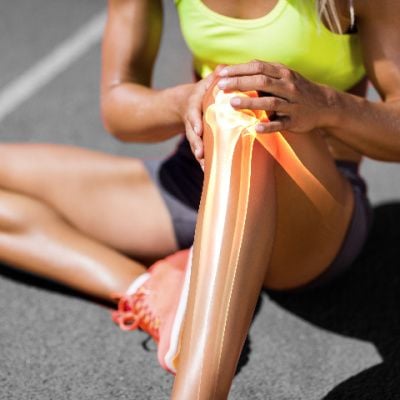
 Knee, foot, and ankle injuries are common occurrences among athletes participating in various sports and activities. These injuries can range from minor strains and sprains to more serious ligament tears and fractures. Understanding the specific types of injuries that affect the knee, foot, and ankle, as well as their causes, prevention strategies, and treatment options, is essential for athletes to stay healthy and active.
Types of Knee, Foot & Ankle Sports Injuries
Knee, foot, and ankle injuries encompass a wide range of conditions, each with its own set of symptoms and treatment approaches. Some common types of sports injuries affecting these areas include:
- Knee injuries: These can include anterior cruciate ligament (ACL) tears, meniscus tears, patellar tendonitis, and knee sprains. Symptoms may include pain, swelling, instability, and limited range of motion.
- Foot injuries: Common foot injuries in sports include plantar fasciitis, stress fractures, ankle sprains, Achilles tendonitis, and turf toe. Symptoms may include pain, swelling, bruising, and difficulty bearing weight on the affected foot.
- Ankle injuries: Ankle sprains are among the most common sports injuries, involving stretching or tearing of the ligaments that support the ankle joint. Symptoms may include pain, swelling, instability, and difficulty walking.
Causes of Knee, Foot & Ankle Sports Injuries
Sports injuries to the knee, foot, and ankle can occur due to various factors, including:
- Overuse: Repeated stress and strain on the knee, foot, and ankle from repetitive movements and activities can lead to overuse injuries such as tendonitis, stress fractures, and ligament strains.
- Trauma: Direct impact, sudden twisting, or forceful movements during sports activities can result in acute injuries such as ligament tears, fractures, and dislocations.
- Poor biomechanics: Incorrect form, improper footwear, and biomechanical imbalances can contribute to sports injuries by placing excessive stress on the joints, ligaments, and tendons of the knee, foot, and ankle.
Prevention of Knee, Foot & Ankle Sports Injuries
Preventing sports injuries to the knee, foot, and ankle involves implementing various strategies to reduce the risk of injury during physical activity. Some preventive measures include:
- Proper warm-up and cool-down: Engage in dynamic stretching and light aerobic activity before and after sports activities to prepare the muscles and joints for exercise and promote recovery.
- Strength and flexibility training: Incorporate strength training and flexibility exercises into your workout routine to improve muscle strength, stability, and range of motion in the knee, foot, and ankle.
- Proper footwear: Wear supportive, properly fitting footwear designed for your specific sport or activity to provide adequate cushioning, stability, and support for the feet and ankles.
- Technique training: Learn and practice proper form and technique for sports-specific movements to minimize the risk of injury and optimize performance.
- Gradual progression: Gradually increase the intensity, duration, and frequency of training to allow the body to adapt and reduce the risk of overuse injuries.
Treatment of Knee, Foot & Ankle Sports Injuries
The treatment of knee, foot, and ankle sports injuries depends on the type and severity of the injury but may include:
- Rest: Resting the injured area is essential to allow the body to heal and prevent further damage.
- Ice: Applying ice to the injured area helps reduce pain, swelling, and inflammation.
- Compression: Using compression bandages or wraps can help reduce swelling and provide support to the injured area.
- Elevation: Elevating the injured limb above heart level can help reduce swelling and promote drainage of fluid.
- Physical therapy: Under the guidance of a physical therapist, specific exercises and techniques can help restore strength, flexibility, and function to the injured area.
- Medications: Over-the-counter or prescription medications may be used to manage pain and inflammation associated with knee, foot, and ankle sports injuries.
Conclusion
Knee, foot, and ankle injuries are common among athletes but can often be prevented with proper training, conditioning, and technique. By understanding the types, causes, prevention strategies, and treatment options for sports injuries affecting these areas, athletes can take proactive steps to stay healthy, reduce the risk of injury, and optimize their performance on the field or court. It's essential to listen to your body, seek appropriate medical attention when needed, and prioritize rest and recovery to maintain long-term physical health and well-being.


Disclaimer:
The information on this website is provided for educational and information purposes only and is not medical advice. Always consult with a licensed medical provider and follow their recommendations regardless of what you read on this website. If you think you are having a medical emergency, dial 911 or go to the nearest emergency room. Links to other third-party websites are provided for your convenience only. If you decide to access any of the third-party websites, you do so entirely at your own risk and subject to the terms of use for those websites. Neither Evanston Foot and Ankle Clinic, nor any contributor to this website, makes any representation, express or implied, regarding the information provided on this website or any information you may access on a third-party website using a link. Use of this website does not establish a doctor-patient relationship. If you would like to request an appointment with a health care provider, please call our office at (847) 864-5010.